Sugar ka ilaj: medicine, diet and walking, the plan that actually works
Sugar ka ilaj explained simply: how type 2 diabetes is treated in Pakistan with diet, walking, weight loss and medicine, what a desi daily routine looks like, and myths to avoid.

Key points
- Type 2 diabetes is treated with three pillars together: food, physical activity and, when needed, medicine. No single one is enough for most people.
- Losing even 5–10% of body weight can noticeably improve sugar control, and larger weight loss can sometimes put type 2 diabetes into remission.
- Aim for at least 150 minutes of brisk walking a week, for example 30 minutes on 5 days, plus a short walk after meals.
- Never stop prescribed medicine for a desi nuskha or herbal "sugar cure". Uncontrolled sugar silently damages the eyes, kidneys, nerves and heart.
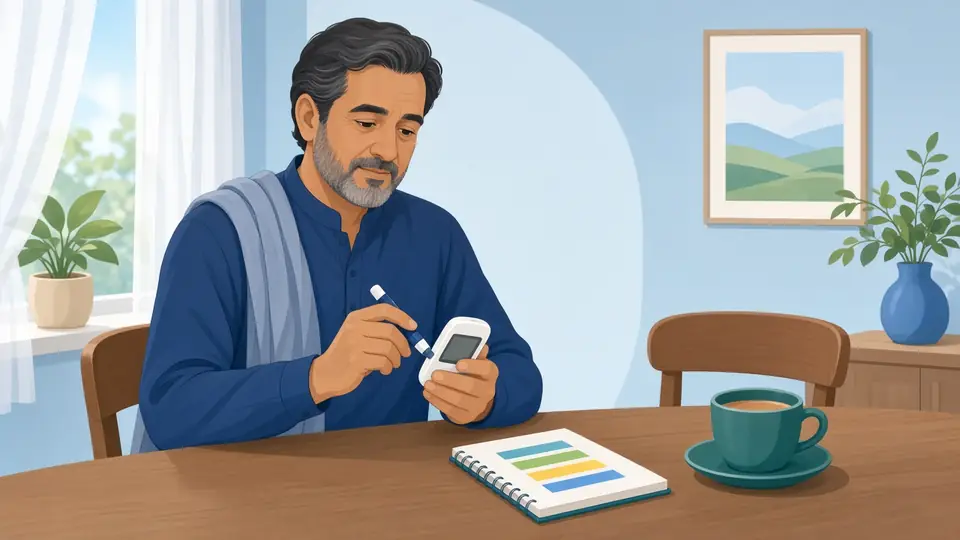
When people in Pakistan search for "sugar ka ilaj", they are usually hoping for one simple answer: a tablet, a diet or a desi nuskha that makes diabetes go away. The honest answer is better than that, even if it's less magical. Type 2 diabetes can be controlled very well, and sometimes even put into remission, when food, activity and medicine work together.
This guide explains how diabetes is treated, what a realistic daily routine looks like with Pakistani food, and which common myths can do real harm.
First: which type of diabetes do you have?
- Type 2 diabetes is by far the most common type in adults. The body still makes insulin but doesn't use it well (insulin resistance), and over time it makes less. It is strongly linked to weight, especially belly fat, inactivity and family history. This guide is mainly about type 2.
- Type 1 diabetes usually starts in children or young adults. The body stops making insulin, so insulin injections are essential from the start. Diet and exercise help but cannot replace insulin.
- Gestational diabetes appears in pregnancy and needs specialist care.
If you're not sure which type you have, ask your doctor. The treatment is very different.
Pillar 1: food (khana)
What you eat has the biggest day-to-day effect on your sugar. You don't need special "diabetic" foods. You need to change how much and which kind of carbohydrate you eat.
Practical changes that work with desi food:
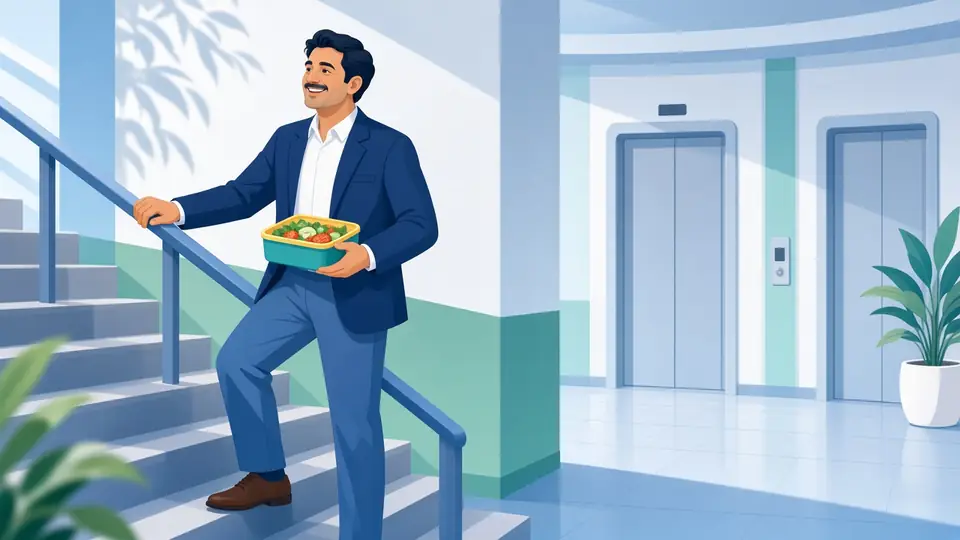
- Use the plate method. Fill half your plate with sabzi or salad, a quarter with protein (daal, chana, chicken, fish, eggs or dahi) and a quarter with roti or rice.
- Cut down roti and chawal, but don't fear them. One medium chapati instead of three makes a big difference. Choose chakki atta over maida, and don't eat naan, paratha and rice in the same meal.
- Drop sugary drinks completely. Cold drinks, packaged juices, sherbet and sweet lassi raise sugar very fast. Switch to water, plain lassi or chai with no sugar or a non-sugar sweetener.
- Watch the chai. Four cups a day with two spoons of sugar each adds a lot of sugar. Reduce the spoons step by step.
- Limit mithai, bakery items and fried snacks like samosas and pakoras to rare occasions, in small portions.
- Eat at regular times, especially if you take medicine that can cause low sugar.
Our full guide to a diabetes diet plan with desi food includes sample meals, and sugar mein kya khayen, kya na khayen gives a simple list of foods to eat and avoid.
Pillar 2: movement (walk aur exercise)
Exercise helps your muscles use sugar, even without weight loss. Most guidelines, including the WHO's, recommend:
- At least 150 minutes a week of moderate activity, such as brisk walking, where you can talk but not sing. That's 30 minutes on 5 days.
- Muscle-strengthening exercises 2 or more days a week, such as squats, wall push-ups and resistance bands.
- Breaking up long sitting. Get up and move for a few minutes every 30–60 minutes.
A simple and effective habit is a 10–15 minute walk after your main meals. Research shows that walking after eating lowers the rise in sugar after the meal. In Pakistan, an evening walk after dinner is easy to build into family life.
If you have heart disease, foot problems or eye disease from diabetes, ask your doctor which exercise is safe.
Pillar 3: weight loss
For many people with type 2 diabetes, weight is the key. Even a 5–10% loss (for example 4–8 kg for an 80 kg person) improves sugar, blood pressure and cholesterol.
Larger weight loss can do even more. In the UK's DiRECT trial, people who lost about 15 kg or more through a structured low-calorie diet often reached remission, with normal-range sugar without diabetes medicine. Remission is most likely in people diagnosed recently, and it needs medical supervision, especially if you take medicine that lowers sugar. It is not a "cure": sugar can rise again if the weight comes back.
Waist size matters too. South Asians tend to store fat around the belly and develop diabetes at lower body weights than Europeans. A waist above about 90 cm (35.5 inches) in men and 80 cm (31.5 inches) in women is a warning sign for South Asians.
Pillar 4: medicine (dawai)
Many people need medicine, and that is not a failure. Type 2 diabetes tends to progress over time, so medicine needs often change.
Your doctor chooses medicine based on your sugar levels, weight, kidneys, heart health, risk of low sugar and cost. Common options include:
- Metformin, usually the first tablet for type 2 diabetes
- Other tablet groups, such as sulfonylureas, DPP-4 inhibitors and SGLT2 inhibitors, some of which also protect the heart and kidneys
- Injectable medicines, including GLP-1 receptor agonists
- Insulin, which is sometimes needed in type 2 and is always needed in type 1
Important rules:
- Take medicine exactly as prescribed, and don't share it or copy someone else's dose.
- Don't stop medicine because your sugar looks good. It may look good because of the medicine.
- Tell your doctor about any side effects, such as stomach upset or low sugars. There are usually alternatives.
- Some medicines must be taken with food; ask how and when to take each one.
- Fasting in Ramadan needs a plan made with your doctor in advance. See sugar ke mareez roza kaise rakhen for what to discuss.
A realistic daily routine
Here is an example of what a good day might look like for someone with type 2 diabetes:
| Time | What to do |
|---|---|
| Morning | Check fasting sugar if advised. Take morning medicine as prescribed. Breakfast: 1 roti or 2 slices of whole-wheat bread with an egg or daal, and chai without sugar. |
| Mid-morning | A fruit such as a guava, apple or orange, or a handful of roasted chana. |
| Lunch | Half plate sabzi or salad, daal or chicken, 1 roti or a small portion of rice, raita. |
| After lunch | 10-minute walk. |
| Evening | Chai without sugar with a few nuts. 30-minute brisk walk. |
| Dinner | Similar to lunch, eaten at least 2–3 hours before bed. |
| After dinner | 10–15 minute walk with family. |
Other parts of treatment people forget
Good diabetes care is about more than sugar numbers:
- Blood pressure and cholesterol control. Most people with diabetes die of heart disease, not of sugar itself. Keeping BP and cholesterol in range matters as much as sugar. See our guide to BP normal range.
- Stop smoking, including shisha and chewed tobacco.
- Eye check at least once a year to catch diabetic retinopathy early.
- Kidney tests (urine albumin and blood creatinine) every year.
- Foot care: check your feet daily for cuts, blisters and colour changes, never walk barefoot, and see a doctor for any wound that isn't healing.
- HbA1c every 3–6 months to see how well your plan is working.
- Sleep and stress: poor sleep and stress both push sugar up.
Myths that can cause harm
- "Karela, methi or cinnamon can replace my tablets." Some of these may have a small effect in studies, but none can replace prescribed treatment. Use them as food, not as medicine.
- "Herbal sugar cures are safe because they are natural." Some "herbal" diabetes products sold online have been found to contain hidden prescription drugs, which can cause dangerous low sugar. Avoid products that promise to cure diabetes.
- "Insulin means the end stage." Insulin is simply a hormone your body needs. Starting it early can protect your organs.
- "If I feel fine, my sugar is fine." High sugar often causes no symptoms while it damages blood vessels.
- "Diabetics can't eat any fruit." Whole fruits in sensible portions are fine for most people. Fruit juice is a different matter.
See a doctor promptly if
- You've just been told your sugar is high and haven't seen a doctor yet.
- Your readings stay above your target for more than a week or two despite following your plan.
- You get frequent low sugars (below 70 mg/dL).
- You notice a foot wound that isn't healing, changes in your vision, or swelling in your legs.
Frequently asked questions
Can sugar be cured permanently?
Type 1 diabetes cannot currently be cured. Type 2 diabetes can sometimes go into remission, especially with significant weight loss early after diagnosis, but it can come back, so regular check-ups remain important.
How quickly can I bring my sugar down?
With diet changes, walking and the right medicine, many people see their daily readings improve within days to weeks. HbA1c takes about three months to reflect the change.
Is walking enough to control sugar?
Walking helps a lot, but for most people with type 2 diabetes it works best together with diet changes, weight loss and, when needed, medicine.
Do I have to take diabetes medicine for life?
Not always. Some people reduce or stop medicine after major weight loss, under medical supervision. Many others need long-term medicine, which is safe and protects their health.
Is there a desi nuskha for sugar?
No home remedy has been shown to treat diabetes on its own. Healthy desi food habits help, but don't replace medicine with nuskhay, and tell your doctor about any herbal products you use.
Sources
- World Health Organization. Diabetes fact sheet.
- World Health Organization. Physical activity fact sheet.
- American Diabetes Association. Standards of Care in Diabetes, updated annually.
- Lean MEJ, et al. Primary care-led weight management for remission of type 2 diabetes (DiRECT). The Lancet, 2018.
- NHS. Type 2 diabetes: treatment.
- International Diabetes Federation. IDF Diabetes Atlas.
- NICE. Type 2 diabetes in adults: management (NG28).
Sources were checked on 26 November 2026. Found an error? Tell us and we will correct it.
Medical disclaimer: This article is general information, not a diagnosis or treatment plan. Please talk to a qualified doctor about your own situation. Read our full disclaimer.
Sugar aur BP par weekly tips
One short email a week: desi diet, readings and small habits that help. Free, no spam.
We only use your email to send this newsletter and never share it. Unsubscribe anytime, every email has a one-click link. Privacy policy
Shukriya! You're subscribed. Pehli email jald aayegi.
Something went wrong. Please check your email address and try again.