High BP ka ilaj aur namak ka kirdar: treatment, salt and daily habits
How high blood pressure is treated: lifestyle changes, how much salt (namak) is safe, hidden salt in Pakistani food, BP medicines explained, and why you shouldn't stop them on your own.
Key points
- High BP is treated with lifestyle changes for everyone, plus medicine for many people, especially at 140/90 or higher or with diabetes, kidney or heart disease.
- The WHO recommends less than 5 g of salt a day (about one level teaspoon) in total, including the salt already in food.
- In Pakistan, much of our salt comes from achaar, chutney, namak paray, papad, chips, processed meats, bakery items and salty salan, not just the salt shaker.
- Don't stop BP medicine when your readings become normal. Normal readings usually mean the medicine is working.
High blood pressure is one of the most common long-term conditions in Pakistan, and one of the least controlled. Many people take their BP tablets "when the head feels heavy", stop them when they feel fine, and rely on desi nuskhay in between. Unfortunately, that's exactly how strokes and heart attacks happen.
This guide explains how high BP is properly treated, why salt matters so much, and which daily habits make a measurable difference. To understand your numbers first, read our BP normal range guide.
How high BP is diagnosed
Hypertension is usually diagnosed when BP is 140/90 mmHg or higher on repeated readings (US guidelines use 130/80). One high reading isn't enough. Your doctor may ask you to take home readings for a week or arrange 24-hour monitoring.
Your doctor may also check:
- Blood tests for kidney function, sugar, cholesterol and salts (sodium and potassium)
- A urine test for protein
- An ECG of the heart
These help find causes and look for any damage high BP may already have done.
The two parts of treatment
1. Lifestyle changes (for everyone)
Lifestyle changes can lower BP as much as a single tablet in some people. They are recommended for everyone with high BP, whether or not they take medicine:
- Eat less salt
- Lose weight if you are overweight
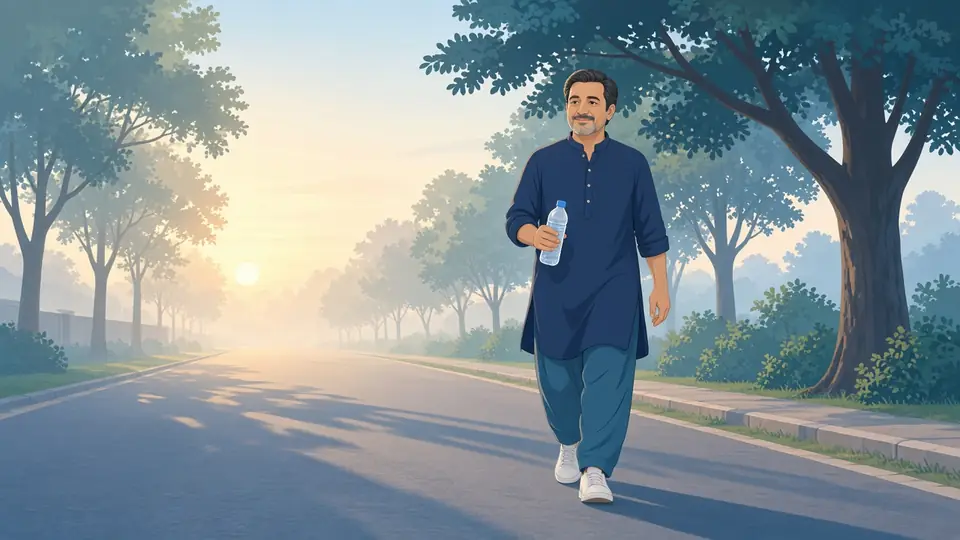
- Move more
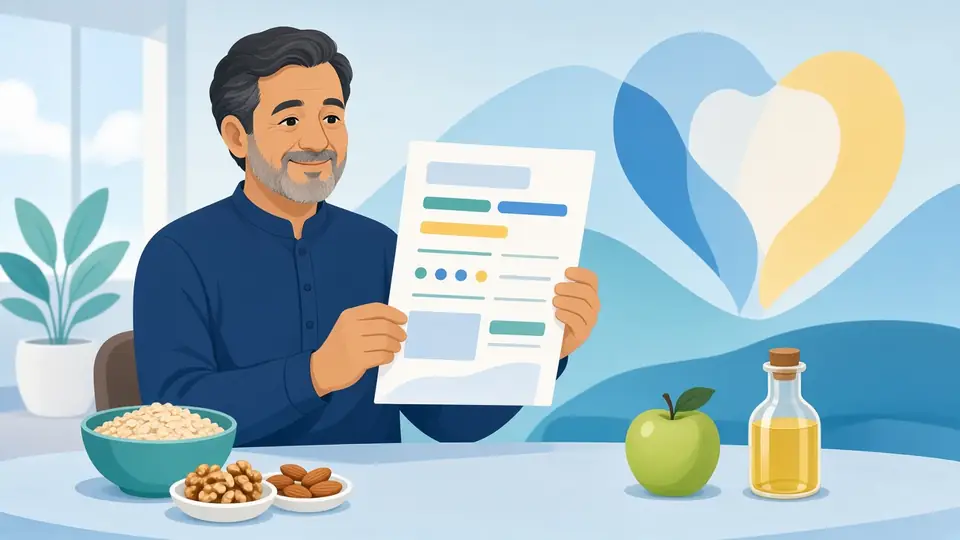
- Eat more vegetables, fruit, daal and low-fat dairy
- Stop smoking and avoid all tobacco
- Avoid alcohol
- Sleep well and manage stress
We cover these in detail in BP kam karne ke 10 tareeqay.
2. Medicine (for many people)
Your doctor may recommend medicine straight away if your BP is 140/90 or higher (or lower if you have diabetes, kidney disease or heart disease), or if lifestyle changes haven't been enough after a few months.
Common BP medicine groups include:
- ACE inhibitors and ARBs, which relax blood vessels and protect the kidneys, especially in diabetes
- Calcium channel blockers, which relax the artery walls
- Thiazide-type diuretics, which help the kidneys remove extra salt and water
- Beta blockers, used in certain heart conditions
Many people need two or more medicines to reach their target, sometimes combined in a single tablet. That's normal and not a sign that your BP is "very bad".
Rules for taking BP medicine
- Take it every day, at the same time, even when you feel fine.
- Don't stop it because your BP is now normal. In most people, BP climbs back up within days or weeks, and stopping some medicines suddenly can cause a dangerous rebound.
- Don't adjust the dose yourself based on one reading.
- Report side effects. Ankle swelling, a dry cough, dizziness or tiredness can often be fixed by switching to a different medicine.
- Check with a doctor or pharmacist before taking painkillers like ibuprofen or diclofenac regularly, as they can raise BP and affect the kidneys. Some cold and flu remedies also raise BP.
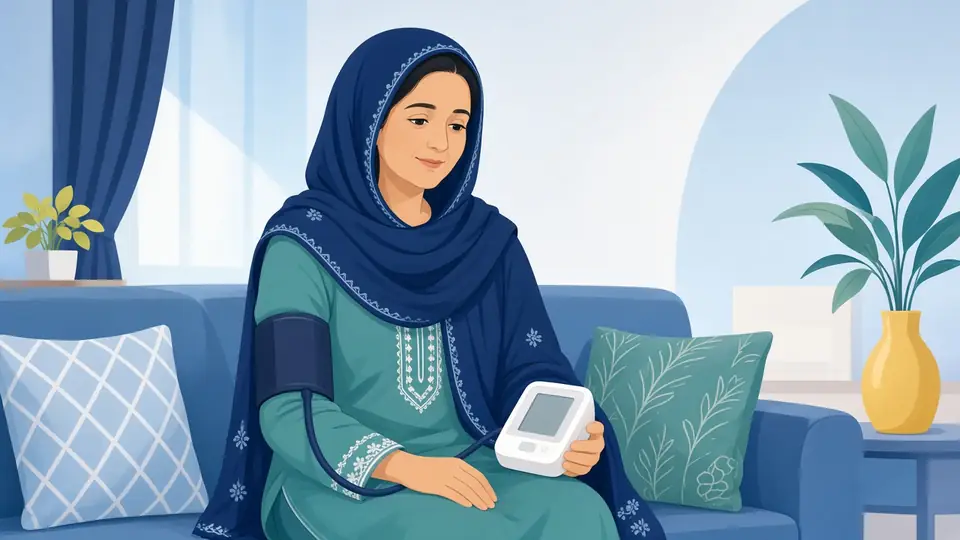
- Keep a home BP log and take it to appointments.
Why salt (namak) matters so much
Salt is sodium chloride, and too much sodium makes your body hold on to water, which raises blood pressure. Reducing salt is one of the most effective ways to lower BP, and it works even when you also take medicine.
How much salt is safe?
The WHO recommends adults eat less than 5 g of salt a day, which is about one level teaspoon, in total. That includes salt already present in food, not just what you add.
Most people eat far more. Global estimates suggest average salt intake is around double the WHO limit, and South Asian diets tend to be high in salt.
Where the salt in a Pakistani diet comes from
Salt hides in many everyday foods:
- Achaar (pickles) and chutneys: among the saltiest foods in the kitchen
- Salan and daal cooked with generous namak, plus extra added at the table
- Namak paray, nimko, chips and papad
- Bakery items: bread, rusks, biscuits, khatai and salted crackers
- Processed and fast food: burgers, pizza, shawarma, nuggets, sausages, frozen kebabs
- Masala mixes and stock cubes, which are often very high in salt
- Salted lassi, chaat masala, kala namak
- Soy sauce and ketchup
Practical ways to cut salt
- Reduce slowly. Your taste buds adjust in about 3–4 weeks, and food that seemed bland starts to taste normal.
- Taste before adding salt, and remove the salt shaker from the dastarkhwan.
- Measure salt when cooking instead of adding by hand.
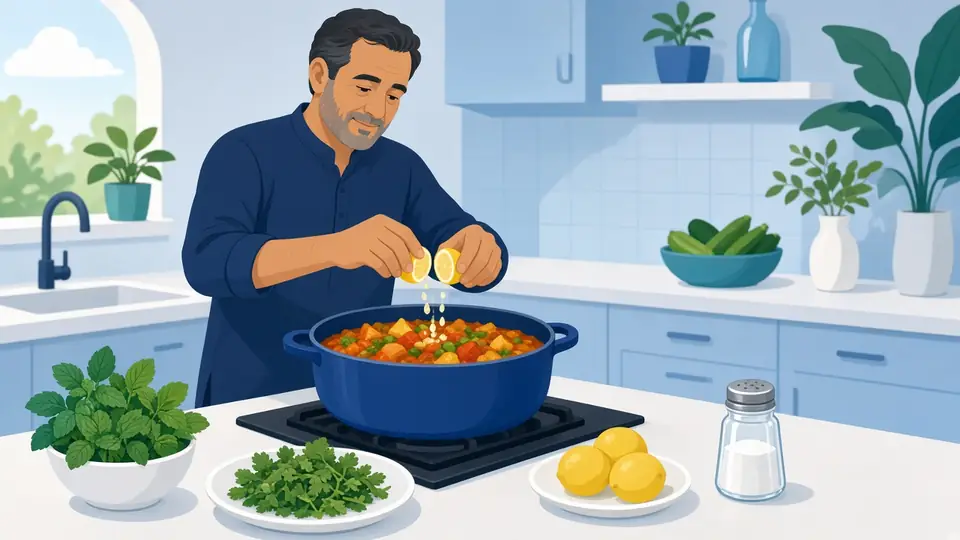
- Use more flavour from other sources: lemon, garlic, ginger, green chillies, fresh coriander, mint, zeera, black pepper and tamarind.
- Limit achaar to a small piece, and not every day.
- Use packet masalas less, or use half the packet.
- Read labels. On packaged food, check the sodium content: 1 g of sodium is about 2.5 g of salt.
- Cook at home more, and choose less-salty options when eating out.
Is pink salt or sea salt better?
No. Himalayan pink salt, sea salt and kala namak are all mostly sodium chloride. The tiny amounts of minerals they contain don't make them healthier for BP. Using less salt matters, not which type.
What about low-sodium salt substitutes?
Salt substitutes replace some sodium with potassium. A large trial in China (the SSaSS trial) found they lowered stroke and heart events in people at high risk. However, people with kidney disease, or who take certain BP medicines such as ACE inhibitors, ARBs or potassium-sparing diuretics, can develop dangerous potassium levels. Ask your doctor before switching.
Desi remedies for BP: do they work?
- Garlic (lehsan): some studies suggest a small BP-lowering effect, but it's not a replacement for medicine.
- Lemon water: a good drink without sugar, but no strong evidence that it lowers BP on its own.
- Hibiscus tea and beetroot: small studies show modest effects; fine as part of a healthy diet.
- Herbal "BP capsules": avoid products making cure claims. Their contents are often unknown.
If you want to try any herbal product, tell your doctor, because some interact with medicines.
Treatment targets
For many adults, the goal is below 130/80 if this can be reached safely, or at least below 140/90. Your doctor may personalise your target based on your age, other conditions and how you tolerate medicine.
Living with high BP
- Measure your BP at home regularly, using a validated upper-arm monitor.
- Keep your diabetes and cholesterol controlled if you have them. See our sugar ka ilaj guide.
- Get your kidneys and eyes checked as advised.
- Learn the signs of a stroke, using the word FAST: Face drooping, Arm weakness, Speech difficulty, Time to call 1122.
See a doctor promptly if
- BP of 180/120 or more with chest pain, breathlessness, severe headache, confusion, vision problems, or weakness of the face, arm or leg. Call 1122.
- Ankle swelling, dizziness, a persistent dry cough or other side effects after starting a new BP medicine.
- Home readings that stay above your target despite treatment.
Frequently asked questions
Can high BP be cured permanently?
Most high BP can't be "cured", but it can be controlled very well. Some people with mild high BP reduce or stop medicine after losing weight and cutting salt, under a doctor's supervision.
Is one teaspoon of salt a day really enough?
Yes. The WHO limit is less than 5 g a day, about one level teaspoon, from all sources. Your body needs much less sodium than most people eat.
Can I stop BP tablets if my readings are normal?
Not without speaking to your doctor. Normal readings usually mean your medicine is working. Stopping can make your BP rise again.
Does drinking water lower BP?
Staying hydrated is healthy, but drinking extra water doesn't lower high blood pressure on its own.
Do BP tablets damage the kidneys?
No. Uncontrolled high BP damages the kidneys. Some BP medicines actually protect them. Your doctor will check kidney blood tests while you take certain medicines.
Sources
- World Health Organization. Hypertension fact sheet.
- World Health Organization. Sodium reduction fact sheet.
- NHS. High blood pressure: treatment.
- NICE. Hypertension in adults: diagnosis and management (NG136).
- Neal B, et al. Effect of salt substitution on cardiovascular events and death (SSaSS). New England Journal of Medicine, 2021.
- American Heart Association. How to eat less sodium.
Sources were checked on 26 November 2026. Found an error? Tell us and we will correct it.
Medical disclaimer: This article is general information, not a diagnosis or treatment plan. Please talk to a qualified doctor about your own situation. Read our full disclaimer.
Sugar aur BP par weekly tips
One short email a week: desi diet, readings and small habits that help. Free, no spam.
We only use your email to send this newsletter and never share it. Unsubscribe anytime, every email has a one-click link. Privacy policy
Shukriya! You're subscribed. Pehli email jald aayegi.
Something went wrong. Please check your email address and try again.