BP kam karne ke 10 tareeqay: proven ways to lower blood pressure
Ten evidence-based ways to lower blood pressure naturally, from salt and weight to walking, the DASH diet, sleep and quitting tobacco, plus how much each can help and what to do in a BP emergency.
Key points
- The biggest lifestyle wins are less salt, weight loss, regular exercise and the DASH-style diet. Each can lower the top number by several points.
- Combined, lifestyle changes can lower BP about as much as one BP tablet, but many people still need medicine.
- There's no safe "instant" home trick to bring down a very high BP. A reading of 180/120 with symptoms is an emergency.
- Keep a home BP log so you and your doctor can see what's working.
Whether you've just been told your BP is "thora high" or you've been taking tablets for years, lifestyle changes make a real difference. They lower blood pressure, help medicines work better, and protect your heart, brain and kidneys.
Here are ten changes with the strongest evidence, with practical tips for Pakistani daily life. The figures below are approximate average effects from research reviews, mainly summarised in American Heart Association and American College of Cardiology guidance. Your own results will vary.
1. Cut down on salt
Possible effect: around 5–6 mmHg lower top number in people with high BP.
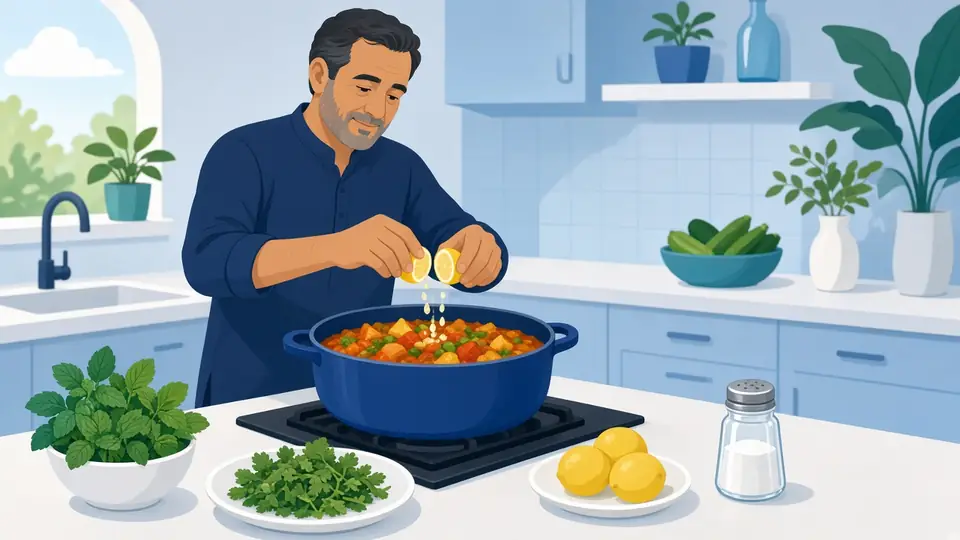
The WHO advises less than 5 g of salt a day in total, about one level teaspoon. Most people in Pakistan eat much more, from salan, achaar, nimko, bakery items and fast food. Reduce gradually, cook with lemon, herbs and spices for flavour, and keep achaar and chutneys occasional. Our guide to high BP ka ilaj aur namak explains where hidden salt comes from.
2. Lose extra weight, especially around the belly
Possible effect: roughly 1 mmHg for every kilogram lost, in people who are overweight.
Even 5 kg of weight loss can make a meaningful difference. Your waist matters too: for South Asian adults, a waist above about 90 cm (35.5 inches) in men and 80 cm (31.5 inches) in women signals higher risk.
3. Walk briskly most days
Possible effect: around 5–8 mmHg with regular aerobic exercise.
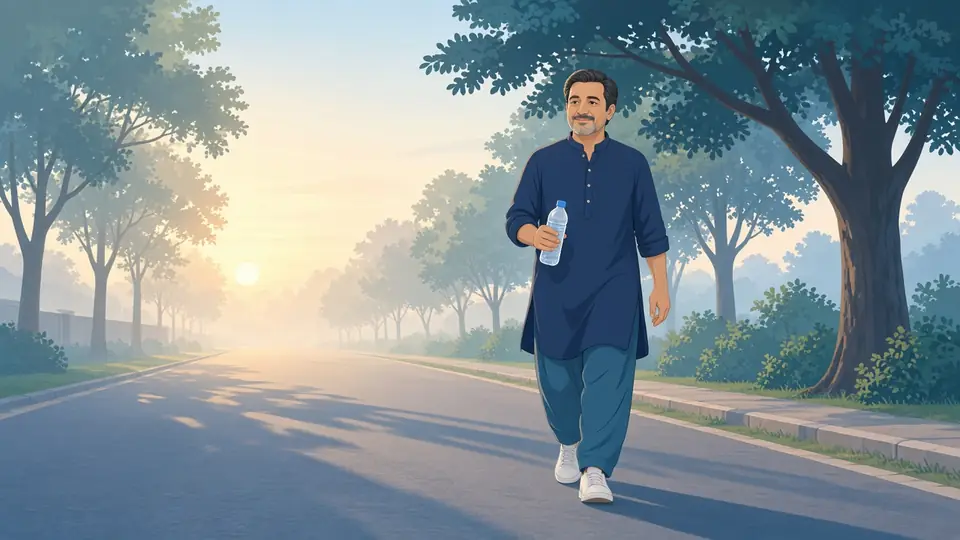
Aim for at least 150 minutes a week of moderate activity, such as brisk walking, cycling or swimming. That's 30 minutes on five days. A morning walk in the park, walking to the mosque, or a family walk after dinner all count. Build up gradually if you've been inactive.
4. Add some strength exercise
Possible effect: around 4–5 mmHg, according to research reviews of resistance and isometric exercise.
Two or three sessions a week of exercises such as squats, wall push-ups, resistance bands or wall-sits help. Avoid holding your breath while straining. If you have heart disease or very high BP, check with your doctor first.
5. Eat the DASH way, adapted to desi food
Possible effect: around 8–11 mmHg in people with high BP.
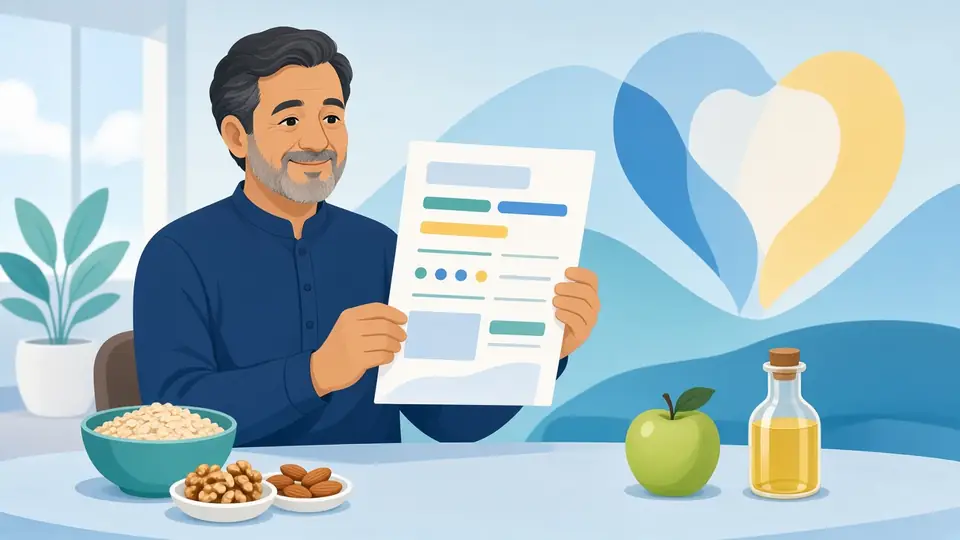
The DASH (Dietary Approaches to Stop Hypertension) eating pattern is one of the best-studied diets for BP. In a desi kitchen it means:
- More vegetables, fruits, daal, chana and beans
- More low-fat dairy, such as dahi and milk
- Whole grains: chakki atta and oats over maida
- Some nuts and seeds (unsalted)
- Less red and processed meat, fried food, ghee and sweets
6. Get more potassium from food
Possible effect: around 4–5 mmHg in people with high BP.
Potassium helps your body balance sodium. Good food sources include bananas, oranges, guavas, potatoes (boiled, not fried), spinach (palak), tomatoes, daal, beans, dahi and coconut water.
Caution: if you have kidney disease or take certain BP medicines (ACE inhibitors, ARBs or potassium-sparing diuretics), don't increase potassium or use potassium salt substitutes without asking your doctor.
7. Quit smoking and all tobacco
Smoking raises BP temporarily with every cigarette and severely damages your arteries. Shisha, naswar, gutka and paan with tobacco are not safe alternatives. Quitting is one of the best things you can do for your heart. Ask your doctor about support to quit.
8. Avoid alcohol
Alcohol raises blood pressure. If you drink, stopping or cutting down significantly lowers BP.
9. Sleep properly and manage stress
Poor sleep and chronic stress are linked to higher blood pressure.
- Aim for 7–9 hours of sleep.
- Loud snoring, gasping at night and daytime sleepiness can be signs of sleep apnoea, which raises BP and is very treatable. Mention it to your doctor.
- For stress, regular exercise, slow breathing, prayer or meditation, time with family and limiting late-night screen use can all help.
10. Watch caffeine and energy drinks
Caffeine can raise BP for a short time. For most people, a few cups of chai or coffee a day is fine, but energy drinks combine lots of caffeine and sugar and are best avoided. If your BP is high, try not to have caffeine in the 30 minutes before measuring it.
Bonus: check your medicines and supplements
Some medicines can raise blood pressure:
- Painkillers such as ibuprofen, diclofenac and naproxen
- Decongestant cold and flu remedies
- Some steroid medicines
- Some herbal products and "energy" or "weight loss" supplements
Always tell your doctor and pharmacist about everything you take.
How much can lifestyle changes do together?
The effects add up. Someone who cuts salt, loses some weight, walks daily and follows the DASH pattern may lower their BP by a substantial amount. Some people with mild high BP can control it without tablets. Others will still need medicine, and that's okay. Never stop prescribed BP medicine without your doctor's advice.
What about quick fixes for very high BP?
You may see videos claiming that drinking lemon water, putting your feet in water or eating something specific will bring BP down in minutes. There's no reliable home trick, and waiting at home with a dangerously high reading can be risky.
If your BP is 180/120 or higher:
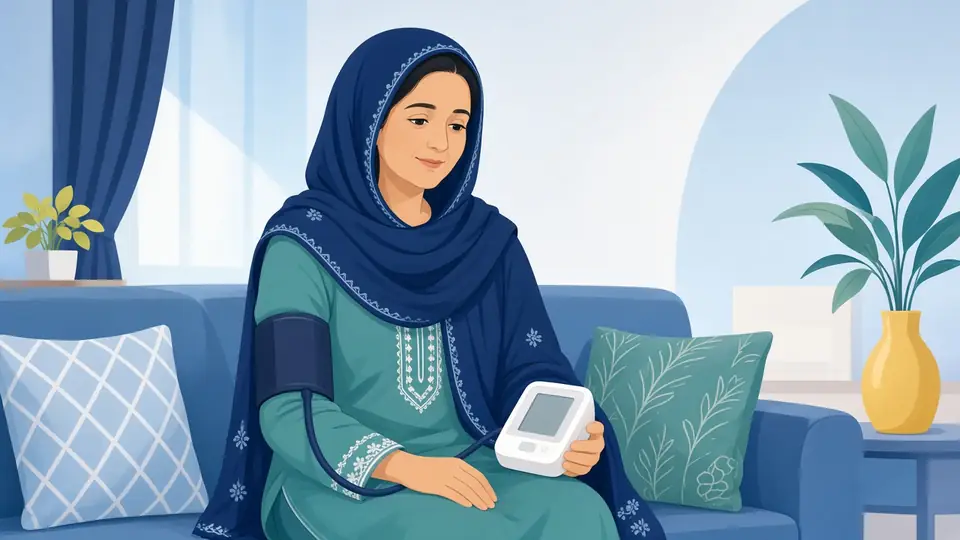
- Sit quietly for 5 minutes and measure again.
- If it's still that high and you have chest pain, breathlessness, back pain, severe headache, confusion, vision changes, or weakness or numbness anywhere, call 1122 or go to the nearest emergency department.
- If it's still that high but you have no symptoms, contact your doctor the same day.
Keep a BP diary
A simple diary helps you see whether your changes are working:
| Date | Morning reading | Evening reading | Notes (salt, exercise, sleep, missed medicine) |
|---|---|---|---|
| Mon | 138/88 | 134/86 | Walked 30 min |
| Tue | 136/86 | 140/90 | Wedding dinner, little sleep |
Take it to your appointments. See our BP normal range guide for how to measure correctly.
See a doctor promptly if
- Your BP is 180/120 or higher, especially with chest pain, breathlessness, severe headache, confusion, blurred vision or weakness on one side. Call 1122.
- Your BP stays at 140/90 or higher on home readings for a week.
- You feel dizzy or faint after making changes while also taking BP medicine; your dose may need adjusting.
Frequently asked questions
How can I lower my BP quickly at home?
There's no safe way to lower a very high BP instantly at home. Sit and rest, recheck after 5 minutes, and if it's 180/120 or higher with symptoms, call 1122. Lifestyle changes lower BP over weeks, not minutes.
How long do lifestyle changes take to lower BP?
Many people see an improvement within a few weeks of cutting salt and exercising regularly. Weight loss brings further benefits over months.
Does walking reduce blood pressure?
Yes. Regular brisk walking, around 30 minutes most days, is one of the most effective ways to lower BP.
Is banana good for high BP?
Bananas are rich in potassium, which helps balance sodium, so they fit well into a BP-friendly diet. People with kidney disease should check with their doctor about potassium.
Can I lower BP without medicine?
Some people with mild high BP can, through lifestyle changes. Many others need medicine as well. Your doctor will advise based on your readings and overall risk.
Sources
- Jones DW, et al. 2025 AHA/ACC Guideline for the Prevention, Detection, Evaluation and Management of High Blood Pressure in Adults. Hypertension, 2025 (lifestyle effect sizes carried over from the 2017 ACC/AHA guideline).
- American Heart Association. Changes you can make to manage high blood pressure.
- National Heart, Lung, and Blood Institute (NIH). DASH eating plan.
- World Health Organization. Sodium reduction fact sheet.
- Edwards JJ, et al. Exercise training and resting blood pressure: a large-scale pairwise and network meta-analysis. British Journal of Sports Medicine, 2023.
- NHS. High blood pressure: things you can do.
Sources were checked on 26 November 2026. Found an error? Tell us and we will correct it.
Medical disclaimer: This article is general information, not a diagnosis or treatment plan. Please talk to a qualified doctor about your own situation. Read our full disclaimer.
Sugar aur BP par weekly tips
One short email a week: desi diet, readings and small habits that help. Free, no spam.
We only use your email to send this newsletter and never share it. Unsubscribe anytime, every email has a one-click link. Privacy policy
Shukriya! You're subscribed. Pehli email jald aayegi.
Something went wrong. Please check your email address and try again.